"Every chess master was once a beginner" -Irving Chernev
Chess is a 2-player strategy board game. It consists of a board with 64 squares on an 8x8 grid. Both players "white" and "black" get 16 pieces: 8 pawns, 1 king,
1 queen, 2 rooks, 2 knights, and 2 bishops. Each set of pieces move differently, and will be covered in The Basics. Opponent's pieces can be captured by placing a piece
on one of the opponent's pieces. The main objective of the game is to get a "checkmate", where the opponent's king is surrounded and cannot escape to another square.
This site is designed to educate people, especially beginners, on how chess works. This site covers topics, such as: chess basics, popular chess openings, as well as special chess moves.
Chess can difficult for those starting out, but it will get better the more you play. There are dozens of coaches and guides online that will help you improve your skills.
In chess, the most important thing is not winning, but learning as you go. But most of all, it's about having fun.
How to Move
1. The Pawn
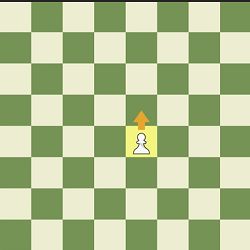
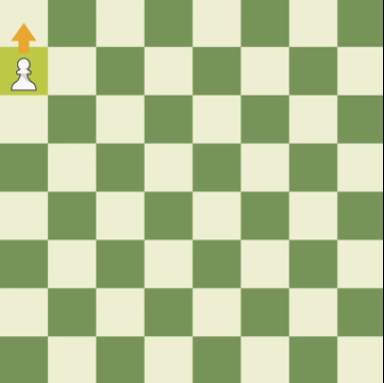
The pawn is the weakest piece in the game. Each player has eight of them. They can only move forward one square at a time and attack diagonally.
They can move two squares forward on their first move.
2. The Rook
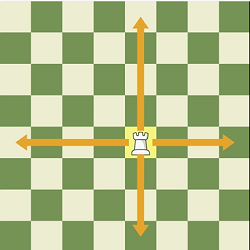
The rook is the piece that can only move horizontally and vertically. Each player has two of them. They cannot jump over other pieces, and have a
special move called "castling."
3. The Bishop
The bishop is the piece that can only move diagonally. Each player has two of them. They can move to any square in that direction if not blocked by any other pieces.
4. The Knight
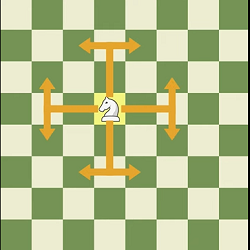
The is the piece that moves in an "L" shape. Each player has two of them. It is the only piece in the game that can jump over other pieces.
5. The Queen
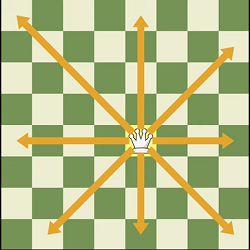
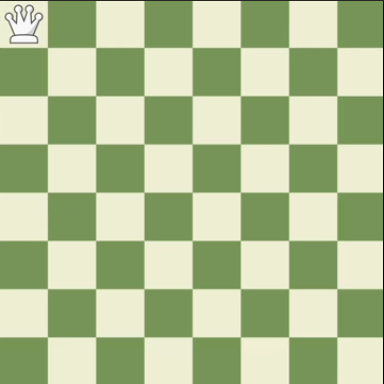
The queen is the most powerful piece in the game. Each player has only one queen. It can move horizontally, vertically, and diagonally. It can move to any square in either direction if not blocked by any other pieces.
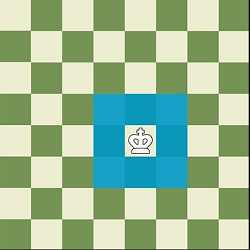
6. The King
This is the most important piece in the game. It can move horizontally, vertically, or diagonally like the queen, but only by one square. If the king is threatened with capture, it is said to be in check. When the king is threatened, it must escape to another square. If it cannot, the game ends with a checkmate.
Full Tutorial
Chess Openings
A chess opening is the first few moves of the game, where players try to develop their pieces to gain control of the center of the board. These moves have established names.
Here are a few examples:
1. The Sicilian Defense
The Sicilian Defense is one of the best openings for players with black pieces. When a white pawn goes to e5, black responds by placing a pawn on c5. This challenges white's control of the center by contesting the d4 square,
aiming for a strategic imbalance in the game.
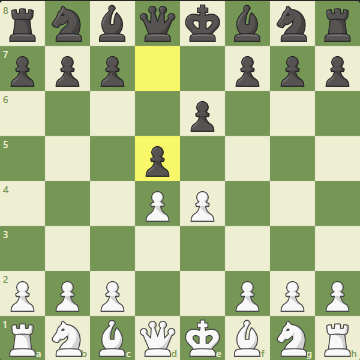
2. The French Defense
The French Defense is another good opening for players with black pieces. When a white pawn goes to e4, black
responds by placing a pawn on e6. Black's main idea is to challenge white's center with d5. This opening
is known for its strategic complexity, leading to positions where both sides have different pawn structures and plans.
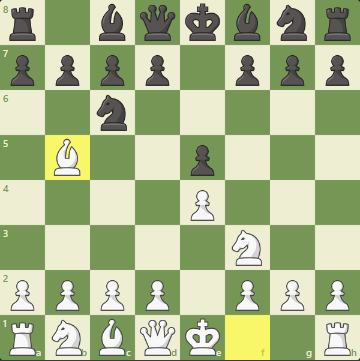
3. They Ruy-Lopez
The Ruy-Lopez is one of the oldest chess openings. It is named after a Spanish bishop who wrote one of the first books about chess.
This opening is known for its strategic depth, and is played at all levels of chess. It starts with a white pawn moving to e4, a black pawn moving to e5, a white knight moving to f3, a black knight moving to c6, then a white bishop moving to b5.
When white's bishop moves to b5, it puts pressure on the black knight on c6.
Special Chess Moves
1. En Passant
This chess move occurs when a pawn jumps two squares from its starting position, landing beside one of the opponent's pawns. The opponent then captures that pawn
by moving their pawn diagonally to the square the other pawn passed over.
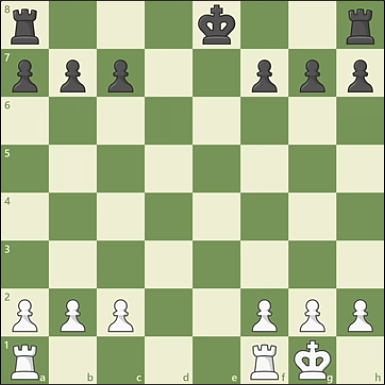
2. Castling
Castling is a special move involving the rook and the king. Castling is the only time in the game where two pieces move at once.
The king moves two squares toward the rook, and the rook moves to the square the king passed over. This can only work if there
are no pieces in between them. The king can castle with either rook.
3. Pawn Promotion
Pawn is a special move where a pawn can transform into another piece once reaches the other side of the chessboard. It's possible
to change into any piece like a knight or a bishop, but most players choose to promote the pawn to a queen, because it is the most
powerful piece in the game.
Contact
If you have any questions, comments, or want to learn more about chess, please contact me via this form.
Elements
Text
This is bold and this is strong. This is italic and this is emphasized.
This is superscript text and this is subscript text.
This is underlined and this is code: for (;;) { ... }. Finally, this is a link.
Heading Level 2
Heading Level 3
Heading Level 4
Heading Level 5
Heading Level 6
Blockquote
Fringilla nisl. Donec accumsan interdum nisi, quis tincidunt felis sagittis eget tempus euismod. Vestibulum ante ipsum primis in faucibus vestibulum. Blandit adipiscing eu felis iaculis volutpat ac adipiscing accumsan faucibus. Vestibulum ante ipsum primis in faucibus lorem ipsum dolor sit amet nullam adipiscing eu felis.
Preformatted
i = 0;

while (!deck.isInOrder()) {
    print 'Iteration ' + i;
    deck.shuffle();
    i++;
}

print 'It took ' + i + ' iterations to sort the deck.';